




Cork vs Foam Trekking Pole Grips: Which is Better? A Detailed Comparison
The choice between cork and foam grips is one of the most common and consequential decisions when selecting trekking poles. Neither material is universally "better"; each excels in different conditions and caters to specific preferences. Understanding their distinct characteristics will help you choose the grip that best complements your hiking style, physiology, and the environments you explore.
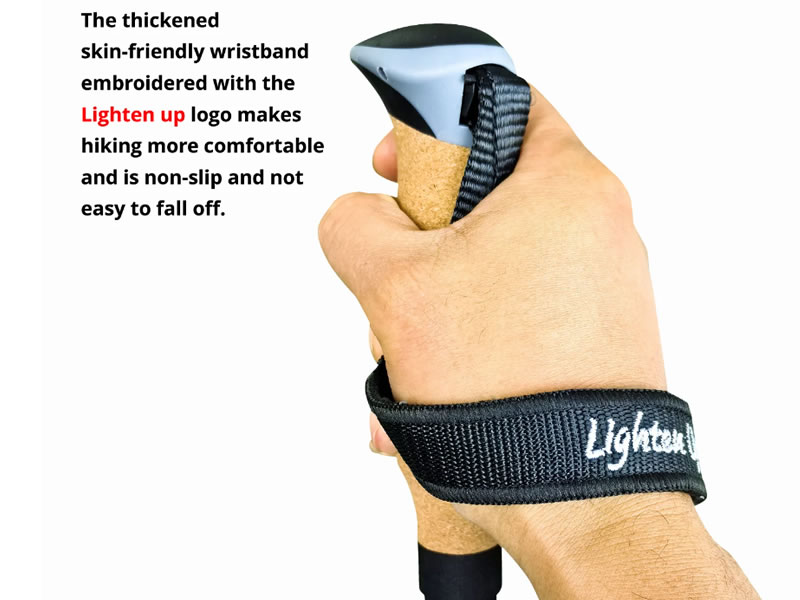
Recommended trekking pole purchase link: https://s.click.aliexpress.com/e/_c4M7OWaN
Cork Grips: The Natural Regulator
Composition & Feel:
Cork grips are made from compressed granules of cork bark, often bonded with a polyurethane resin. They offer a firm, slightly textured feel that becomes uniquely contoured to your hand over time.
Key Advantages:
- Moisture Management (Wicking): Cork is naturally hydrophobic and porous. It draws sweat away from your palm, keeping your hand drier and significantly reducing the chance of blisters on long, sweaty ascents. This is its standout feature.
- Temperature Neutrality: Cork does not readily absorb heat from the sun or conduct cold from the air. It remains relatively neutral to the touch in both hot and cold weather, providing consistent comfort.
- Moldability: Over many miles, a cork grip will subtly conform to the shape of your hand, creating a customized, ergonomic fit.
- Durability: High-quality cork grips are very durable and maintain their texture and performance for years, often outlasting the pole itself.
Considerations:
- Cork provides less outright cushioning than foam. If you have joint issues in your hands or prefer a very soft feel, it may feel too firm initially.
- Low-quality cork can be brittle and crumbly, so it's best to choose reputable brands.
Foam Grips (EVA Foam): The Cushioned Performer
Composition & Feel:
Made from Ethylene-Vinyl Acetate, a closed-cell foam that is soft, lightweight, and highly compressible. It provides an immediately plush, cushioning sensation.
Key Advantages:
- Superior Cushioning: Foam excels at dampening vibration and impact. This can drastically reduce hand and wrist fatigue, especially on long descents or rocky terrain.
- High Absorbency: EVA foam actively absorbs sweat, which can be very comfortable, preventing a slippery feeling. However, in very wet conditions or on multi-day trips without a chance to dry, they can become saturated.
- Immediate Comfort: They require no break-in period. From the first step, they feel soft and forgiving against the skin.
- Warmth: The insulating properties of foam make them feel slightly warmer in cold conditions, which can be an advantage.
Considerations:
- Because they absorb moisture, they can become heavy and slow to dry in consistently wet or humid climates.
- They are more susceptible to degradation from UV exposure, oils, and solvents over very long periods. High-quality foam resists this well, but may still show wear faster than cork.
Head-to-Head Comparison & Decision Guide
| Feature | Cork Grips | Foam (EVA) Grips |
|---|---|---|
| Moisture | Wicks sweat (dries fast) | Absorbs sweat (can feel damp) |
| Cushioning | Firm, supportive | Soft, plush, high-dampening |
| Temperature | Neutral in heat & cold | Slightly insulating |
| Durability | Excellent, molds to hand | Good, may degrade faster |
| Maintenance | Low, easy to clean | Can retain odors if not cleaned |
When to Choose CORK:
- You hike in hot climates or sweat profusely.
- You undertake multi-day trips where gear must perform in variable conditions.
- You value long-term durability and a personalized fit.
- You hike in environments with rapid temperature shifts.
When to Choose FOAM:
- You prioritize maximum cushioning for your hands, wrists, or joints.
- You primarily take shorter day hikes where immediate comfort is key.
- You hike in colder, drier climates where insulation is beneficial.
- You have arthritis or conditions where a soft, forgiving grip is necessary.
The Verdict: It's About Your Hand and Your Hike
For the serious long-distance hiker, thru-hiker, or someone in humid environments, cork is generally the superior, more versatile choice. Its ability to manage moisture and maintain performance is unmatched.
For the weekend hiker, someone seeking ultimate comfort, or a hiker in cooler/drier climates, foam provides an excellent, often more affordable, and immediately comfortable experience.
The best test is to hold both. Your hand will often tell you what feels right. Many premium poles now offer models in both materials, acknowledging that this is a personal preference rooted in physiology and habit. Choose the grip that will make you forget it's there, allowing you to focus on the trail ahead.




