




How to Store Trekking Poles When Not in Use: A Guide to Preserving Performance and Longevity
Proper storage of your trekking poles is a critical yet often overlooked aspect of gear maintenance. How you store them between hikes directly impacts their reliability, safety, and lifespan. Incorrect storage can lead to degraded materials, stuck locks, and even premature failure. Follow this comprehensive guide to ensure your poles are always ready for the trail.
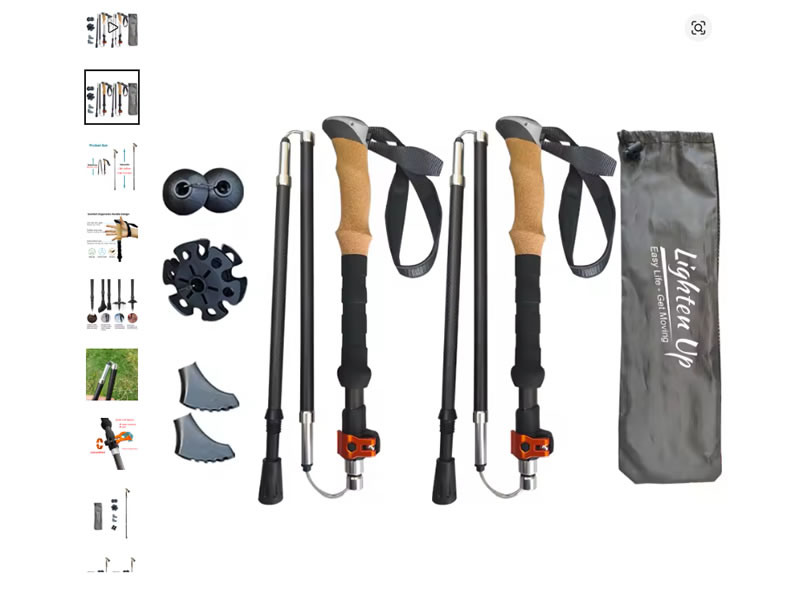
Buy Link: https://www.aliexpress.us/item/3256805392148698.html?gatewayAdapt=kor2usa4itemAdapt
Step 1: Post-Hike Preparation (The Foundation)
Never store poles dirty or wet. Begin with a thorough maintenance routine:
- Clean: Wipe down the entire pole with a damp cloth to remove dirt, mud, and salts from sweat. For the grips and straps, use a mild soap solution if needed. Avoid harsh chemicals.
- Dry: Ensure all components are completely dry. Pay special attention to the locking mechanisms and the interior of adjustable sections. Trapped moisture is the primary cause of corrosion and frozen locks.
- Inspect: Check for cracks, deep scratches (especially on carbon fiber), worn-down tips, and loose parts. Address any issues before storage.
Step 2: The Correct Storage Configuration
This is the most crucial step and varies by pole type.
- For Adjustable (Telescoping) Poles with Locks:DO: Partially extend the poles and loosen all locking mechanisms. This relieves constant tension on the internal springs and prevents the locking collars from deforming or "taking a set." Storing them fully collapsed under tension can weaken the springs over time, leading to slippage.DO NOT: Store them fully collapsed and locked tight, or fully extended under tension.
- For Foldable (Z-Pole) Trekking Poles:DO: Store them in their fully folded (collapsed) position. This is their natural, stress-free state.CONSIDERATION: Some hikers prefer to occasionally unfold them during long off-seasons to relieve the constant bend on the internal tension cord, though this is less critical than with spring-loaded locks.
Step 3: Choosing the Storage Environment
The where is as important as the how.
- Environment: Store in a cool, dry, and stable environment. A climate-controlled closet or gear room is ideal.
- AVOID:Damp Basements or Garages: Humidity promotes corrosion on metal parts, especially springs and cables.Hot Attics or Car Trunks: Extreme heat can degrade plastics, adhesives, and the elasticity of straps and internal cords. UV light from sunlight can break down foam grips and fade anodized coatings.Leaning in a Corner: This can cause long-term bending or warping, especially for carbon fiber poles.
Step 4: Storage Methods & Best Practices
- Horizontal Storage: Lay them flat on a high shelf or in a drawer. This prevents any bending and keeps them out of the way. If stacking, avoid placing heavy objects on top.
- Vertical Storage: Hanging them vertically by their straps or tips is also excellent, as it eliminates pressure points. Ensure they are secure and won't fall.
- Use a Storage Bag: The fabric bag they came in (or a dedicated gear bag) protects them from dust, scratches, and snagging on other equipment. Ensure the poles are dry before bagging to prevent mildew.
- Tip Protection: Always keep the rubber trekking tip covers on during storage. This protects the sharp, hardened carbide tips from becoming dull and prevents them from damaging other gear or the storage bag.
Special Considerations for Long-Term or Seasonal Storage
If storing poles for several months (e.g., over winter):
- Perform an extra-thorough cleaning and lubrication of moving parts. A silicone-based lubricant applied sparingly to locking threads and mechanisms can prevent seizing.
- For adjustable poles, consider storing them fully disassembled (sections separated) to eliminate all internal stress. Keep all parts together in one bag.
- Remove the straps if possible and wash them according to manufacturer instructions to prevent sweat and grime from setting in.
Common Storage Mistakes to Avoid
- Leaning Them Tightly in a Corner: Causes permanent curvature.
- Storing Them Dirty: Corrosive debris accelerates wear.
- Keeping Locks Tightened: The #1 cause of lock failure.
- Exposing Them to Temperature Extremes: Compromises material integrity.
By dedicating a few minutes to proper storage, you invest in the long-term health of your equipment. Well-maintained poles will deploy smoothly, lock securely, and provide dependable support for countless future adventures. Treat them as the precision tools they are, and they will reliably help you navigate every trail ahead.




