




Can You Sharpen Trekking Pole Tips?
This is a common question among hikers noticing their once-sharp trekking pole tips have become rounded and smooth. While a blunt tip reduces traction on rock and ice, the answer isn't a simple yes or no. Technically, yes, you can sharpen certain types of trekking pole tips, but it is often impractical, potentially risky, and replacement is almost always the superior option. This guide will walk you through the considerations, methods, and critical safety advice.
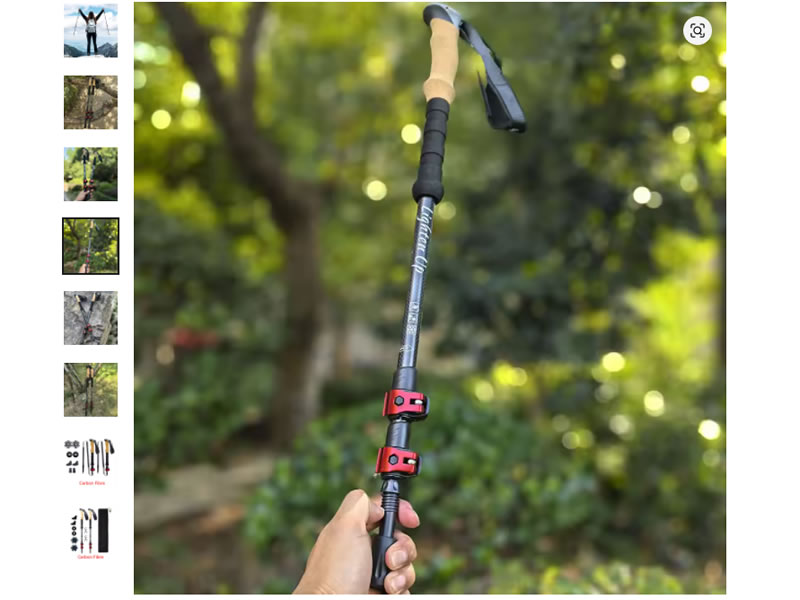
Recommended trekking pole purchase link: https://s.click.aliexpress.com/e/_c4M7OWaN
Understanding Tip Construction: The Core Issue
Most modern trekking poles feature a tungsten carbide tip inserted into a steel or alloy sleeve. This is crucial because:
- Tungsten Carbide: This material is prized for its exceptional hardness and wear resistance—far harder than steel. This is why it lasts for hundreds of miles. However, this same hardness makes it extremely difficult to sharpen with common tools.
- Steel Sleeve/Collar: The metal surrounding the carbide is softer and easier to file, but sharpening this alone does not restore the critical point.
If your poles have older or basic all-steel tips, they are more amenable to sharpening but will wear down again very quickly.
The Case Against Sharpening: Why Replacement is Usually Best
- Material Hardness: Effectively reshaping tungsten carbide requires a diamond file or wheel. Standard metal files will have little to no effect.
- Risk of Cracking: Carbide is brittle. Applying improper pressure or creating a thin edge during filing can cause the tip to chip or crack, leading to sudden failure on the trail.
- Compromised Integrity: The tip is a press-fit component. Excessive force or vibration from filing can loosen it from its metal collar.
- Inefficiency: A sharpened tip will not last nearly as long as a new one. The process is time-consuming for a temporary fix.
- Safety: A poorly sharpened or cracked tip can snap under pressure, especially during a critical maneuver on steep or slippery terrain, posing a serious safety risk.
How to (Carefully) Sharpen a Trekking Pole Tip
If you have steel tips or are determined to attempt a quick refresh on a carbide tip, follow this method with caution.
Tools You'll Need:
- A diamond-coated file or sharpening rod (fine/coarse grit).
- A bench vise (optional but recommended).
- Safety glasses and gloves.
- A damp cloth.
Step-by-Step Process:
- Secure the Pole: Clamp the pole securely in a vise just below the tip, protecting the shaft with a cloth. If no vise is available, ensure you have a stable grip and will not file toward your hand.
- Inspect for Damage: Look for deep cracks or severe wear where the carbide is nearly gone. If present, stop immediately and replace the tip.
- File at the Correct Angle: The goal is to refresh the existing point, not reshape it. Hold the file at roughly the same angle as the existing taper (usually 30-45 degrees). Use the diamond file to make light, controlled strokes along each side of the point, rotating the pole evenly.
- Focus on the Carbide: Try to work on the actual carbide insert, not just the softer steel collar. You will feel a significant difference in resistance.
- Deburr and Clean: After filing, use the fine-grit side of the file or a piece of sandpaper to smooth any sharp burrs from the steel collar. Wipe the tip clean with a damp cloth to remove all metal filings.
The Clear Alternative: Replacement
For the vast majority of hikers, replacing the trekking pole tip is the definitive solution. It is:
- Safer: A new tip guarantees structural integrity.
- More Effective: Restores like-new traction instantly.
- Long-Lasting: A new carbide tip will last for many more seasons.
- Simple and Inexpensive: Replacement tips are low-cost and easy to install with basic tools (see our guide, "How to Replace Trekking Pole Tips?").
When Sharpening Might Be a Temporary Option
- In the Field: In a pinch on a long trek, carefully using a rough rock or multitool file to remove a burr or create a rough edge on a steel tip can provide a temporary grip boost.
- Minor Maintenance: If a carbide tip has developed a small, uneven flat spot, a few strokes with a diamond file can smooth it out for slightly improved performance before your next replacement.
Final Verdict and Safety Recommendation
While sharpening is technically possible, it should be viewed as a short-term field fix or minor maintenance step, not a standard practice. The inherent risks of damaging the brittle carbide tip and compromising your pole's stability are significant.
For guaranteed safety, reliability, and optimal performance, planning for periodic tip replacement is an essential part of trekking pole ownership. Carry a set of spare tips in your repair kit. When your tips become noticeably rounded or smooth, invest the few minutes and dollars to install new ones. Your poles are critical safety tools—keeping their points in prime condition ensures they can support you securely on every step of your journey.
Do you have experience trying to sharpen pole tips? Share your results or replacement recommendations in the comments to help inform fellow hikers!




