




How to Attach a Camera to Trekking Poles?
For hikers and photographers, combining two essential pieces of gear—trekking poles and a camera—creates a versatile, lightweight stabilization system on the trail. Transforming a pole into a monopod offers increased stability for sharper photos, smoother videos, and the ability to capture stunning self-portraits or group shots without carrying a heavy tripod. This guide explores the safe, effective methods to connect your camera to your trekking pole, covering equipment choices, step-by-step techniques, and pro tips.
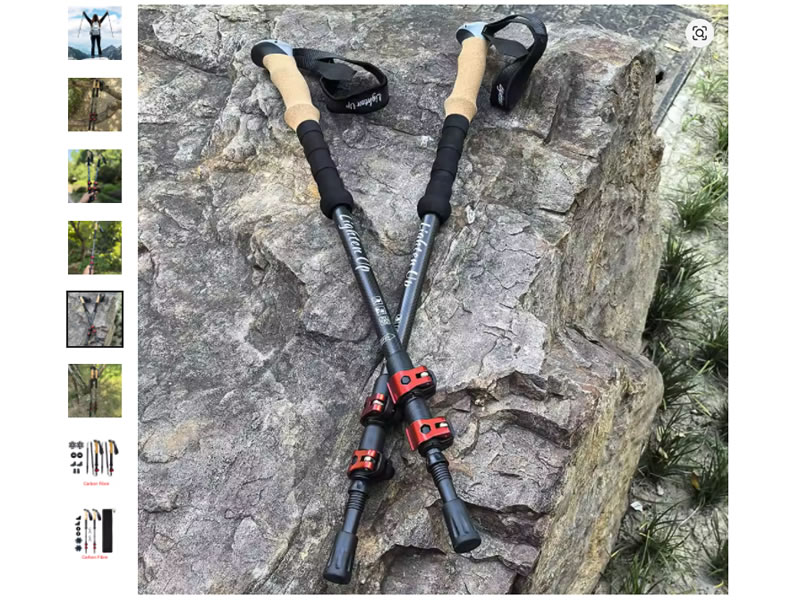
Recommended trekking pole purchase link: https://s.click.aliexpress.com/e/_c4M7OWaN
Why Use a Trekking Pole as a Camera Monopod?
- Weight Savings: Eliminates the need for a separate tripod or monopod.
- Stability: Dramatically reduces camera shake for clearer low-light shots, long exposures, or when using telephoto lenses.
- Versatility: Enables unique perspectives, such as shooting over vegetation or stabilizing video while walking.
- Convenience: Your support system is already in your hand.
Method 1: The Universal Thread Adapter (Most Common & Recommended)
This is the standard, secure method for cameras with a tripod socket.
Equipment Needed:
- A trekking pole monopod adapter. This is a small, clamp-style device with a standard 1/4"-20 screw thread (tripod thread). Ensure it fits your pole's shaft diameter.
- Your trekking pole with a removable wrist strap (often required for access).
Step-by-Step Process:
- Locate the Thread Hole: Many trekking pole grips have a removable rubber plug at the top. Peel this back or unscrew it to reveal a 1/4"-20 female thread built directly into the pole's shaft.
- Screw in the Adapter: If your pole has this built-in thread, simply screw the adapter (or your camera directly) into the top. Hand-tighten firmly.
- Use a Clamp Adapter: If your pole lacks a built-in thread, use a universal clamp adapter. Open the clamp, secure it tightly onto the pole's grip or shaft, and then screw your camera onto the adapter's male thread.
- Secure and Test: Before attaching your camera, ensure the pole's locking mechanisms are fully engaged. Mount the camera and give it a gentle test to confirm stability.
Method 2: Specialized Camera Grip/Pole Combos
Some brands, like LEKI, offer trekking poles with integrated, detachable camera grips that feature Arca-Swiss or standard tripod plates. These provide the most seamless and secure connection but lock you into a specific pole ecosystem.
Method 3: DIY & Improvised Solutions (Use with Caution)
For a temporary field solution, you can use a gorilla pod or flexible tripod wrapped securely around the pole's grip and shaft. Use strong rubber bands or a strap for extra security. Warning: This method risks instability and should only be used with lightweight cameras and constant hand-holding.
Critical Safety & Equipment Tips
- Always Use a Wrist or Neck Strap: This is non-negotiable. The connection point is a potential failure point. Your camera strap is the primary safety backup.
- Check Weight Limits: Ensure your chosen adapter and pole can support your camera and lens weight. A carbon fiber pole is generally sturdy enough for mirrorless or compact DSLR setups.
- Prevent Scratches: Use a small piece of grip tape or a rubber sleeve where the clamp contacts your pole to prevent damage.
- Maintain Control: When shooting, keep your hand on the pole grip for maximum stability and to prevent the pole from swinging.
- For Smartphones: Use a sturdy smartphone clamp mount that attaches to a standard 1/4"-20 screw. Attach this clamp to your pole adapter.
Advanced Technique: The Panning Base
For smooth panoramic or video shots, consider adding a small panning base or ball head between your pole adapter and camera. This provides controlled rotation and angle adjustment, far superior to tilting the entire pole.
Conclusion
Attaching a camera to your trekking pole is a simple hack that unlocks significant creative potential on the trail. The universal thread adapter method is the go-to solution for most hikers, offering a perfect balance of security, affordability, and ease of use. By following the safety principles—most importantly, always using a camera strap—you can confidently capture steady, professional-looking images without adding bulk to your pack. Your trekking poles are no longer just for hiking; they’re a key part of your photography toolkit.
What’s your favorite setup for trail photography? Share your tips or preferred adapters in the comments below!




