




How to Navigate Rocky Terrain with Hiking Poles?
Rocky terrain—from boulder fields and scree slopes to jagged trails—presents a unique challenge that demands balance, precision, and confidence. Hiking poles transform from simple aids into essential tools for navigation and safety in these technical environments. The key shifts from rhythmic propulsion to strategic stabilization. Mastering specific techniques for rocks can prevent falls, reduce fatigue, and protect your ankles and knees from twists and impacts.
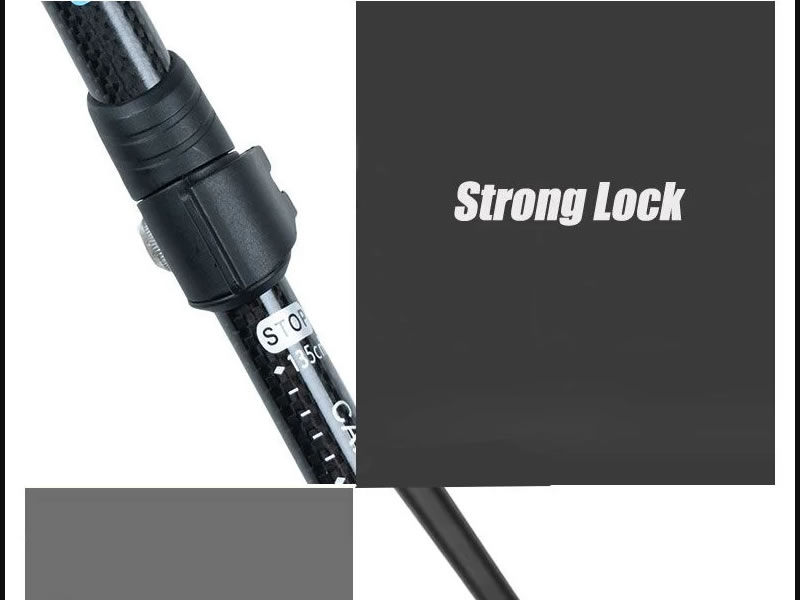
Recommended trekking pole purchase link: https://s.click.aliexpress.com/e/_c4M7OWaN
The Core Philosophy: Proactive, Not Reactive
On rocky ground, you must use your poles proactively. This means planting your pole before your body weight is fully committed to an unstable step. The goal is to create a stable, multi-point foundation—a "tripod" or "quadpod" stance—that allows you to test footing and move deliberately.
Step-by-Step Techniques for Stability and Safety
1. The Solid Plant Principle
Your first priority is finding a secure planting point. Avoid placing pole tips directly on loose, round, or sloping rocks where they can skid.
- Target the Gaps: Aim for cracks between rocks, patches of stable dirt, or flat, immovable surfaces.
- Angled Placement: Plant your pole at a slight angle for better lateral stability, especially on slopes. A vertical plant on a slanted rock is prone to slipping out.
- Feel for Firmness: Apply gentle pressure to test the purchase before committing your weight.
2. The Tripod Stance for Technical Moves
When facing a large step up, down, or across an unstable rock:
- Plant both poles securely on stable ground on either side of your intended path.
- With your poles bearing a portion of your weight, carefully move one foot. Your two poles and one foot now form a stable tripod.
- Only shift your weight fully onto the foot once you’re confident of its placement, then move the poles forward to repeat the process.
3. Adapting Your Grip and Pole Length
- Shorter Adjustment: Consider slightly shortening your poles (2-3 cm) for rocky terrain. This provides better control and a quicker, more upright posture for navigating tight, uneven steps.
- Choke Down on the Grip: In extremely technical sections, you can "choke down" by placing a hand directly on the pole shaft below the grip. This offers superior leverage and fine-tuned control for precise placement.
4. Managing Loose Scree and Talus
- Double Plant for Descents: On loose descents (scree), plant both poles together downhill from you, lean into them to create a braking anchor, and then take several quick, shuffling steps down to your poles.
- Wider Stance for Ascents: When ascending a talus slope, use a wider, more deliberate pole plant to either side to maintain balance as rocks may shift underfoot.
5. Rhythm and Pace Adjustment
Abandon the steady, metronomic rhythm of smooth trails. On rocks, your movement will be slower and more methodical. The rhythm becomes: Plant -> Test -> Step -> Rebalance. Move one limb at a time and ensure three points of contact are stable before moving the fourth.
Pro Tips for Advanced Navigation
- Look Ahead: Plan your pole and foot placements 2-3 steps in advance. Identify your "landing zones" for both.
- Keep Your Center of Gravity Low: Bend your knees slightly and stay centered. This improves balance and reduces the height of a potential fall.
- Use Your Poles for Balance, Not Full Weight-Bearing: On truly unstable rocks, use poles primarily for lateral balance. Avoid putting your full weight on a pole planted on a movable rock.
- Protect the Carbide Tips: Be mindful of jamming tips into tight cracks; they can become lodged. A quick, sharp tug usually frees them.
Common Mistakes to Avoid
- The "Hurry-Up" Flail: Rapid, desperate pole plants lead to poor placement and slips. Deliberation is safety.
- Over-Reliance on Poles: If a foot placement feels deeply unsafe, backtrack. Poles are aids, not magic wands that defy physics.
- Neglecting to Look Up: While focus on footing is critical, periodically pause, secure your stance with poles, and scan your overall route to stay on course.
Conclusion: From Obstacle to Opportunity
Rocky terrain, when approached correctly with hiking poles, becomes less an intimidating obstacle and more an engaging puzzle to solve. By adopting a proactive, tripod-based technique, prioritizing solid plant points, and moving with deliberate slowness, you leverage your poles to create unparalleled stability. This not only safeguards your joints from sudden twists but also conserves the immense mental and physical energy otherwise spent on maintaining balance. With practice, navigating rocks with poles builds a profound confidence that allows you to safely explore more rugged and rewarding landscapes.




