




Can I Use Hiking Poles for Trail Running?
The short answer is yes, you can, but you probably shouldn't—at least not regularly or for dedicated trail running. While both pieces of equipment share a fundamental design, using standard hiking poles for running is like using a touring bike for a downhill mountain bike race: they're related tools, but optimized for entirely different purposes, speeds, and risks. Understanding the critical distinctions between hiking and trail running poles is essential for safety, performance, and injury prevention.
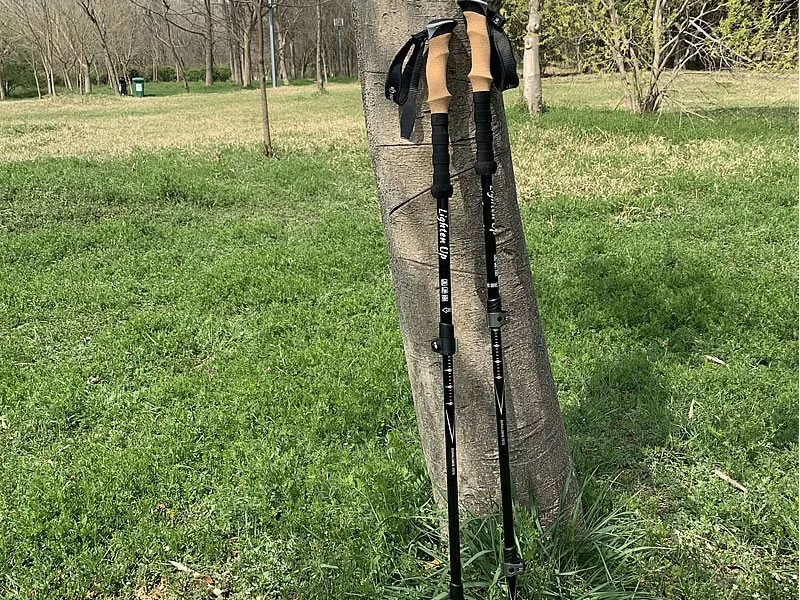
Recommended trekking pole purchase link: https://s.click.aliexpress.com/e/_c4M7OWaN
The Fundamental Difference: Design Philosophy
Hiking and trekking poles are engineered for power, stability, and durability at walking speeds. They are built to support body weight during deliberate placements, handle variable terrain at a moderate pace, and withstand sustained pressure.
Trail running poles are engineered for lightweight agility, rapid deployment, and dynamic balance at running speeds. They are an integral part of a runner's rhythm, requiring minimal weight and maximum responsiveness.
Key Differences That Matter on the Run
- Weight: This is the most significant factor. Every extra ounce is magnified with thousands of arm swings. Hiking poles typically weigh 16-22 ounces per pair. Trail running poles are ultralight, often 10-16 ounces per pair, with premium models dipping below 10 ounces. The reduced weight prevents rapid arm fatigue and maintains running economy.
- Adjustability and Deployment:Hiking Poles: Use telescoping sections with lever or twist locks. Adjusting length while moving is slow and awkward. Their longer collapsed size is cumbersome to stow.Trail Running Poles: Predominantly use a foldable, Z-pole design with elastic internal cords. They deploy and collapse instantly with one hand, often while running. They pack down to a very short length (often 14-16 inches) to fit in a running vest.
- Shaft and Grip Design:Hiking Poles: Often have straight shafts and larger, more cushioned grips (cork/foam) for prolonged, power-focused gripping.Trail Running Poles: Frequently feature curved or angled shafts that position the tip better under a forward-leaning runner. Grips are smaller, ergonomic, and sometimes include a finger groove or strap system (like LEKI's Trigger Shark) that allows a secure hold with a relaxed grip, minimizing hand fatigue.
- Flex and Feel: Hiking poles are generally stiffer for powerful pushes. Running poles often have more tuned flex to absorb shock at higher cadences and feel more responsive.
The Risks of Using Hiking Poles for Running
- Increased Injury Risk: Heavier, slower poles disrupt your natural running gait and arm swing. This can lead to shoulder, elbow, or wrist strain. Poor technique or a late pole plant at speed can easily cause a trip or fall.
- Inefficiency and Fatigue: The extra weight and non-ergonomic design will sap your energy, defeating one of the main purposes of using poles—to conserve energy on steep terrain.
- Hazard in Technical Terrain: On fast, technical descents or tight switchbacks, the slower handling and longer length of hiking poles can become a dangerous obstruction, catching on roots or rocks.
When Might It Be Acceptable?
There are limited scenarios where using hiking poles for running is a feasible compromise:
- Fastpacking / Mixed Trips: If you're on a multi-day trip that involves both long hiking miles and occasional running on gentle terrain, a single pair of lightweight, foldable trekking poles (like the Black Diamond Distance Z) can serve both purposes adequately.
- Beginners Experimenting on Steep Climbs: If you're new to pole use and want to try them on a steep, power-hiking ascent during a run, your existing hiking poles can provide a feel for the benefit. Use them only for the climb and stow them for the descent and flats.
Recommendations: The Right Tool for the Job
If you're serious about incorporating poles into your trail running:
Start with Proper Technique: Learn the "poling" rhythm—planting the pole opposite your forward foot. This is best practiced with correct equipment.
Invest in Trail Running Poles: For regular use, dedicated poles are a game-changer. Excellent entry points include:
- Black Diamond Distance Carbon Z: A superb crossover pole that's light, packable, and durable.
- LEKI Micro Vario Carbon: Features their excellent, easy-to-use SpeedLock 2 system and is a favorite among mountain runners.
- Salomon S/Lab Carbon: Used by elite ultra-runners, representing the pinnacle of lightweight, responsive design.
Conclusion: A Clear Distinction
While you can physically use hiking poles for trail running, doing so regularly is not recommended. The compromises in safety, efficiency, and comfort are too great. Hiking poles are designed for power and support at walking speeds; trail running poles are designed for agility and rhythm at running speeds.
If you're a hiker who occasionally runs downhill sections, your poles will suffice. But if you aim to run with poles consistently—especially in races or on technical terrain—investing in a pair of purpose-built trail running poles is a critical step toward better performance and a safer, more enjoyable experience on the trails.




