




How to Clean and Maintain Aluminum Hiking Poles?
Aluminum hiking poles are renowned for their exceptional durability, strength, and affordability. However, like all precision outdoor gear, their longevity and reliable performance are directly tied to proper care and maintenance. Neglecting this can lead to sticky locks, internal corrosion, and premature failure. A simple, consistent maintenance routine will ensure your aluminum poles remain trustworthy companions for thousands of miles.
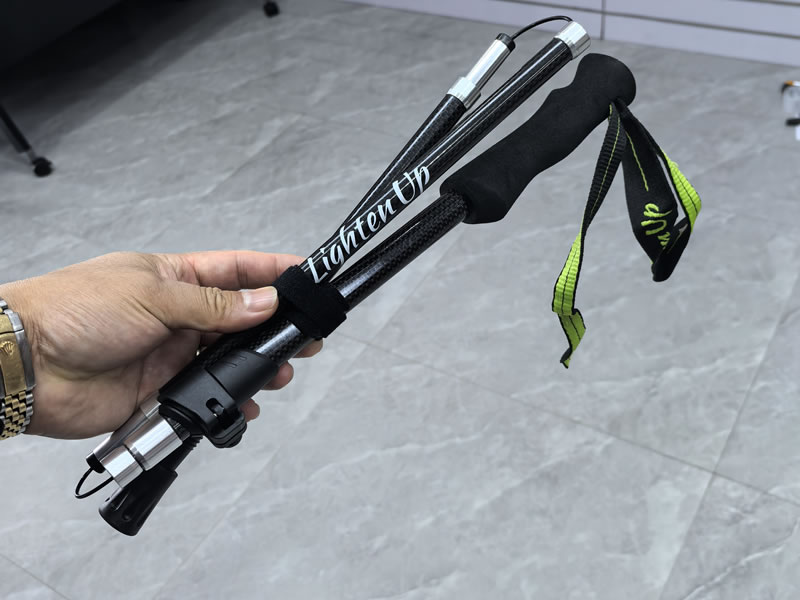
Recommended trekking pole purchase link: https://s.click.aliexpress.com/e/_c4M7OWaN
Why Aluminum Requires Specific Care
While aluminum is naturally corrosion-resistant due to a protective oxide layer, it is susceptible to galvanic corrosion when dissimilar metals (e.g., steel locking mechanisms) are present in a wet, dirty environment. Dirt, mud, and salt are abrasive and can grind away at this protective layer and infiltrate moving parts. The primary goals of maintenance are to remove corrosive agents, preserve moving parts, and inspect for damage.
The Step-by-Step Maintenance Routine
1. Post-Hike Cleaning (The Most Critical Habit)
Never store poles caked in mud or salt.
- Rinse & Wipe: Immediately after a hike, use a damp cloth or rinse the poles with fresh water to remove loose dirt, sand, and salt. Pay special attention to the tips and lower sections.
- Deep Clean: For stuck-on grime, use a soft brush (an old toothbrush is perfect) with a mild dish soap and warm water solution. Gently scrub the shafts, locks, and baskets.
- Focus on Locking Mechanisms: This is the most important step. Extend and collapse each section several times under running water to flush out grit from inside the locks and between shaft overlaps. For lever locks, carefully open the lever to rinse underneath.
- Dry Thoroughly: Always dry your poles completely before storage. Extend all sections and wipe them down with a dry towel. Leave them in a warm, dry area for several hours or overnight to ensure all internal moisture evaporates. Storing them wet is the leading cause of internal seizing and corrosion.
2. Periodic Deep Inspection & Servicing
Every few months or after a particularly grueling season, perform a detailed check.
- Inspect the Shafts: Look for deep scratches, dents, or bends. While aluminum is tough, a severe dent can compromise strength. Light scratches are cosmetic.
- Check Locking Mechanisms:Twist Locks: Ensure they engage smoothly and hold firmly without slipping. Check for wear on the internal expansion bushings.Lever Locks (FlickLocks): Inspect for proper tension and that the lever closes securely. Ensure the nut inside is tight.
- Examine Tips and Baskets: Replace worn-down carbide tips before they expose the metal stud. Check that baskets are secure and not cracked.
3. Lubrication and Corrosion Prevention
- Lubricate Sparingly and Correctly: Do not use wet lubricants like WD-40 or grease on internal parts, as they attract dirt. Instead, once or twice a year, apply a dry silicone spray or a Teflon-based lubricant to the cleaned male sections of the shaft. Extend and collapse the poles to distribute it. This minimizes friction and prevents binding.
- Address Sticky Locks: If a twist lock becomes stiff or sticky, it’s often due to dirt or dried-out lubricant. Clean thoroughly as above, then apply a small amount of dry lubricant to the internal bushings.
- Prevent Electrolytic Reaction: Ensuring poles are clean and dry is the best prevention. For coastal hikers, a more frequent rinse with fresh water is essential to remove salt deposits.
4. Proper Storage
- Store poles fully extended or at least partially extended in a cool, dry place. This allows air circulation and prevents the internal walls from developing moisture spots or a permanent set.
- Avoid leaving them in a hot car trunk for extended periods, as extreme heat can potentially affect internal components and adhesives.
Troubleshooting Common Aluminum Pole Issues
- Pole Sections Stuck Together: This is often caused by grit or an impact that misaligns the sections. Do not force them. Apply a penetrating lubricant (like a drop of soapy water) around the seam, let it sit, then gently twist while pulling. Using two rubber jar opener pads can improve grip. For severe cases, gentle application of heat with a hairdryer on the outer section can cause expansion.
- Locks That Won’t Hold: For twist locks, the internal expansion bushing may be worn and likely needs replacement (kits are available from manufacturers). For lever locks, tightening the internal hex nut with the provided tool usually solves the problem.
- Minor Dents or Bends: Small dents can often be gently smoothed with a round file to prevent snagging. A slight bend in an aluminum shaft can sometimes be carefully straightened, but a significant bend compromises structural integrity—it’s time to replace that section.
Conclusion: An Ounce of Prevention
The maintenance philosophy for aluminum hiking poles is simple: clean them consistently, dry them thoroughly, and inspect them periodically. This minimal investment of time directly translates to safety, reliability, and value. Well-maintained aluminum poles can last for decades, faithfully performing on every ascent and descent. By adopting this routine, you’re not just cleaning equipment; you’re preserving a critical piece of your hiking system and ensuring it’s ready for the next adventure.




