




Best Hiking Pole Baskets for Mud and Snow?
Choosing the correct hiking pole basket is not a minor accessory decision—it is a critical terrain-specific adjustment that directly impacts stability, efficiency, and safety. Using the wrong basket can turn your poles from useful tools into frustrating liabilities. This guide will help you select the optimal basket for muddy trails and snowy conditions, explaining the design principles behind each.
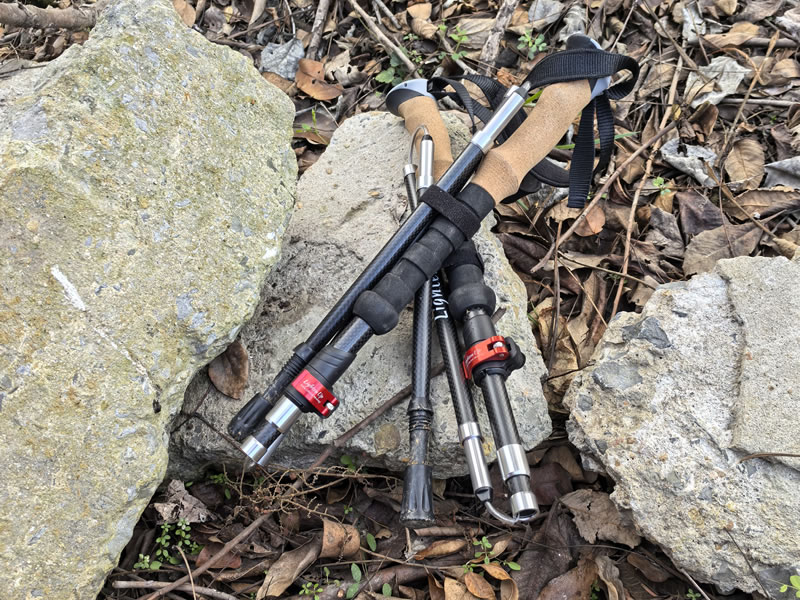
Recommended trekking pole purchase link: https://s.click.aliexpress.com/e/_c4M7OWaN
Understanding the Function of a Basket
The primary role of a basket is to prevent the pole tip from sinking excessively into soft terrain. It acts as a small platform that distributes the pole's pressure over a wider area. A secondary function is to deflect vegetation and provide a slight buffer against snagging. The terrain dictates the required size and design.
The Best Baskets for Mud & Wet Terrain
For muddy trails, bogs, and soft earth, the goal is to prevent clogging while offering enough surface area to resist sinking.
- Recommended Type: Small, Solid Trekking Baskets
- Typical Size: 2 to 3 inches (50-80mm) in diameter.
- Design Features:Solid or Dense Webbing: Look for baskets with minimal open space between plastic ribs. Large holes allow thick mud to pack inside, creating heavy, stubborn "mud balls" that are difficult to dislodge.Angled or Conical Design: Some mud-specific baskets are slightly angled or conical, which helps shed debris with each plant and retrieval.Durable, Stiff Plastic: They need to resist deformation when levered out of sticky suction.
Why They Work: A small, solid basket provides just enough flotation to keep the tip in the usable top layer of the trail without becoming a mud-collecting scoop. It’s the perfect balance for most three-season hiking.
The Best Baskets for Snow & Soft Snow
In snow, the goal shifts dramatically to maximum flotation to keep the pole's grip accessible and to provide a stable anchor for weight transfer, especially critical when using poles for balance in ski touring or snowshoeing.
- Recommended Type: Large, Round Snow Baskets
- Typical Size: 4 inches (100mm) and larger, up to 5.5 inches (140mm) for powder.
- Design Features:Large Surface Area: The large diameter distributes weight over a much wider area, preventing the pole from plunging deep into the snowpack.Round, Flat Profile: This shape is optimized for vertical and angled plants in snow.Open Webbing: Unlike mud baskets, snow baskets often have more open designs to reduce weight and allow snow to pass through rather than accumulate as a solid block.
Why They Work: In deep snow, a small trekking basket will completely disappear, forcing you to bend down excessively or dig out your pole with each step. A large snow basket stays near the surface, ensuring efficient rhythm and reliable anchoring for kick-turns or self-arrest maneuvers.
Selection Criteria and Pro Tips
- Compatibility is Key: Ensure the baskets are designed for your specific pole brand and model (e.g., Leki, Black Diamond, Cascade Mountain Tech). Most use a standardized push-and-twist system, but diameters vary.
- Quick-Change Systems: Many premium poles feature a simple, tool-free basket swap system. This is a highly valuable feature, allowing you to change baskets in seconds as conditions change.
- Carry Both: For mixed-season hikers or those on variable trips (e.g., a hike starting on a muddy trail leading to a snowy pass), carrying both sets of baskets is the ultimate strategy for optimal performance.
- Material Matters: High-quality nylon composites are durable and temperature-resistant. Avoid brittle, cheap plastic.
- The "All-Around" Compromise: Some manufacturers offer "trekking" baskets around 3.5 inches. These can be a serviceable compromise for occasional light snow and mud but are not ideal for dedicated deep-snow travel.
How to Change Your Baskets
The process is typically simple:
- Grip the old basket firmly.
- Rotate it counter-clockwise (left) while pulling it away from the pole tip. It may require firm pressure.
- To install, align the new basket's groove with the pole's retainer ring, push it firmly onto the tip, and twist clockwise until it locks securely. Always give a gentle tug to confirm it's seated.
Conclusion: Match the Tool to the Task
There is no single "best" basket for all conditions. The choice is a clear example of terrain-specific gear optimization:
- For Mud: Choose small, solid baskets (2-3") to prevent clogging.
- For Snow: Choose large, round baskets (4"+) for maximum flotation.
Investing in the correct baskets—and knowing how to swap them—dramatically increases the utility and effectiveness of your hiking poles. It ensures that whether you're navigating a slick, muddy incline or a windswept snowy ridge, your poles will provide the consistent, reliable support you depend on. By tailoring this small component, you enhance your stability, conserve energy, and safely tackle a wider range of adventures.




