




Recommended Hiking Poles for the Colorado 14ers?
Tackling Colorado’s iconic 14,000-foot peaks is a demanding adventure that combines high-altitude trekking, steep scree slopes, rugged boulder fields, and rapidly changing weather. Your gear must be reliable, adaptable, and tough. When it comes to trekking poles, the right choice can significantly enhance stability, reduce joint impact, and improve safety on both ascent and descent. This guide breaks down the key features and specific models best suited for the unique challenges of the 14ers.
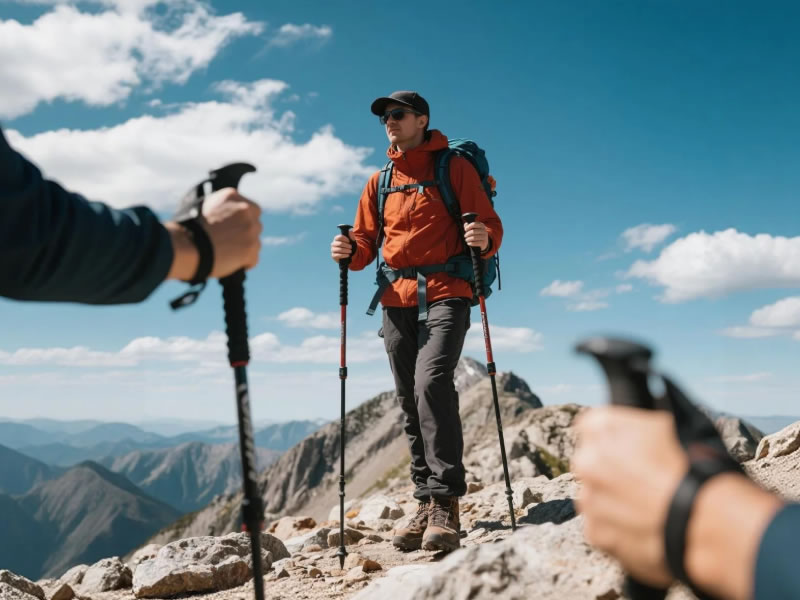
Recommended trekking pole purchase link: https://s.click.aliexpress.com/e/_c4M7OWaN
Understanding the Terrain: Why Your Poles Matter Here
The 14ers present specific challenges that inform pole selection:
- Loose Scree & Talus Slopes: On famous descents like the Sawtooth or the slopes of Mt. Princeton, poles provide critical balance and prevent sinking into shifting rock.
- Steep, Rocky Ascents: Poles aid propulsion and reduce quad fatigue on climbs like Longs Peak’s Homestretch.
- Variable Conditions: You may encounter early morning ice, midday sun, and afternoon thunderstorms. Your poles need to perform reliably in wet, dry, and cold conditions.
- Impact Reduction: Thousands of feet of descent punish knees; proper pole use mitigates this considerably.
Essential Features for 14er Poles
- Durability is Paramount: Aluminum is King.For most 14er hikers, aircraft-grade aluminum (6061 or 7075) is the recommended material. It can withstand the inevitable strikes against sharp rocks and the torque of being wedged in boulders. While carbon fiber is lighter and dampens vibration, the risk of a catastrophic, sharp break on a remote slope makes durable, bendable aluminum the safer, more reliable choice for this rugged environment.
- Secure, Adjustable Locking Mechanisms: Flick-Locks Preferred.You’ll constantly adjust length for steep versus flat sections. External flip/flick-locks are essential. They are easy to operate with cold or gloved hands, less prone to jamming with dirt and grit than twist locks, and provide a visual, secure connection. Precision adjustability is a must.
- Grip Material: Cork for Versatility.Cork grips are ideal for the 14ers. They naturally wick moisture during sweaty ascents, remain grippy in rain, and don’t feel freezing cold to the touch during alpine starts—a common issue with rubber or hard plastic. Foam is a good, comfortable secondary option but can degrade faster.
- Tips and Baskets: Replaceable and Functional.Tungsten carbide tips provide superior traction on Colorado’s rocky surfaces. Ensure they are replaceable. Small, trekking baskets are typically perfect; save larger powder baskets for winter ski descents.
Top Pole Recommendations for the 14ers
- Best All-Around & Most Recommended: Black Diamond Trail Ergo CorkThese poles offer the perfect 14er blend: durable 7075 aluminum shafts, trusted FlickLock Pro adjusters, and comfortable, moisture-managing cork grips. They are workhorses built for exactly this kind of terrain.
- Premium Durable Choice: LEKI Cressida FX TA (Women’s) / Khumbu FX TA (Men’s)Featuring LEKI’s reliable Speed Lock 2+ system and a clever extended foam lower grip for varied hand positions on long climbs, these aluminum poles offer exceptional craftsmanship and durability for serious peak-bagging.
- Excellent Value Pick: Cascade Mountain Tech 3K Carbon Quick LockFor hikers wanting carbon fiber’s weight savings without a huge investment, this pole is a legend. While carbon, its durability is well-regarded. Ensure you’re comfortable with the potential risk. Their aluminum version is also a fantastic, bomb-proof budget option.
- Ultralight & Confident User Choice: Gossamer Gear LT5If cutting weight is your ultimate priority and you accept the need for careful pole placement, these are among the lightest viable options. Best for experienced hikers who treat their gear meticulously.
Pro-Tips for Using Poles on 14ers
- Shorten on Steep Ascents, Lengthen on Descents: This improves leverage and reduces shoulder strain on climbs, and provides better stability and shock absorption on downhills.
- Use the Wrist Straps Correctly: Slide your hand up through the strap from below, then grip. This allows you to transfer weight to your wrists without gripping tightly, saving hand energy.
- In Scree, Plant Firmly and Behind: On loose descents, plant your pole slightly behind you as a stabilizing anchor to prevent slipping.
Final Verdict
For the vast majority of hikers tackling the Colorado 14ers, a durable aluminum pole with flip-locks and cork grips represents the optimal balance of strength, reliability, and function. While the allure of lighter carbon is understandable, the unforgiving nature of these mountains favors resilience over saved ounces. Invest in poles that you can trust when leaning your full weight on a precarious step or bracing against a relentless downhill grind. Your knees—and your confidence—will thank you at 14,000 feet.




